



By Catherine Tsounis
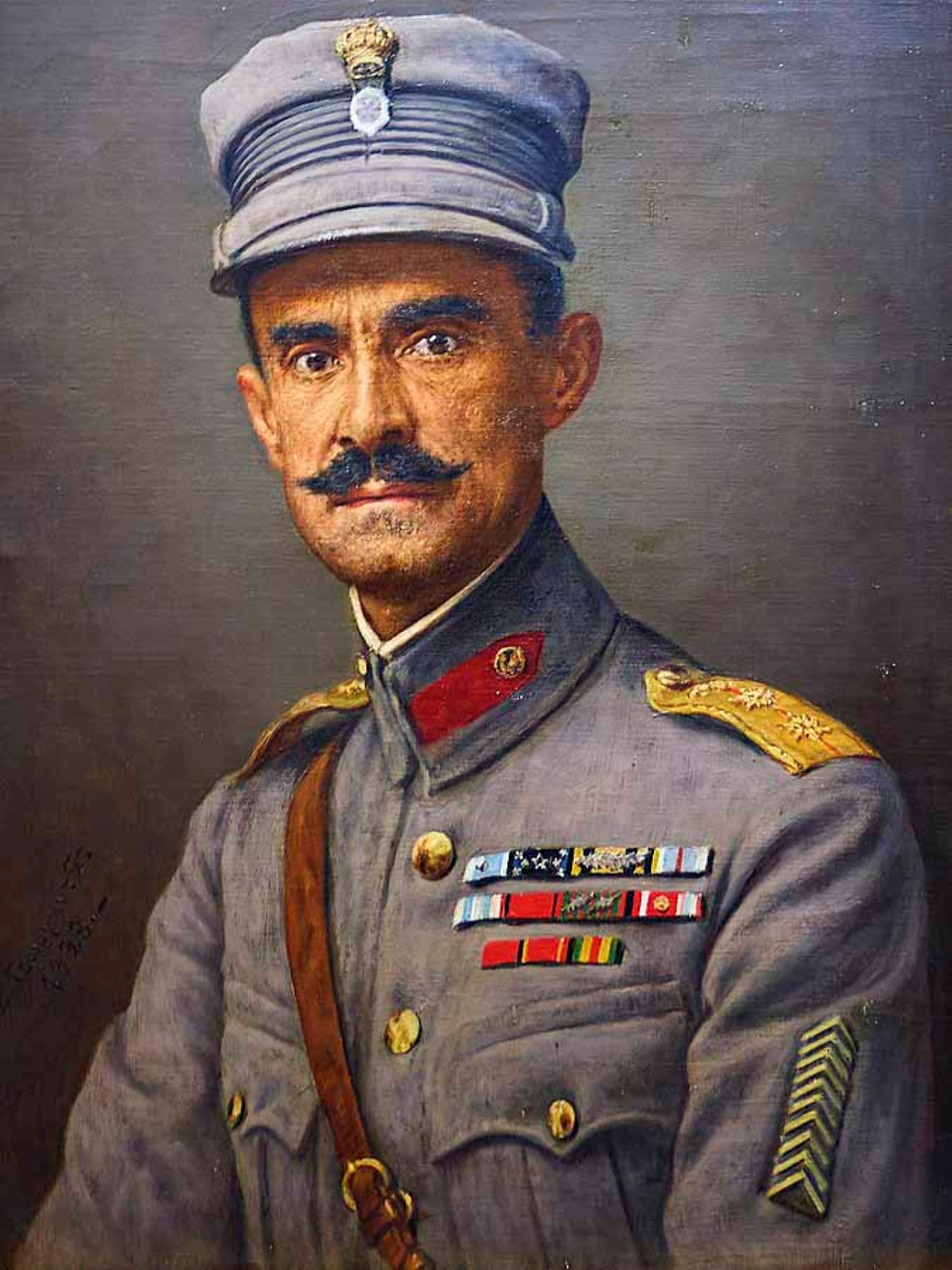
March 25, 2025—Greek Independence Day—is a time to reflect on the remarkable leaders who embodied patriotism and selfless service to Greece. Among them stands General Nikolaos Plastiras, a legendary military general and politician whose dedication to his country was unwavering. Born in 1883 and living through some of Greece’s most turbulent times until his passing in 1954, Plastiras placed the welfare of Greece above personal gain, a stark contrast to many modern leaders.
During his era, patriotism and the pursuit of freedom for all Greek-speaking people under Ottoman rule were central to Greece’s national consciousness. Military historian Victor Davis Hanson in his 2024 book, The End of Everything: How Wars Descend Into Annihilation, highlights this historical moment:
“The idea of a living Byzantium reemerged only once. After the dissolution of the Ottoman Empire in 1918, the Hellenic dream of the ‘Megali Idea’ gained momentum, envisioning a Panhellenic Aegean united by Greek speakers in Asia Minor, the Greek mainland, the islands, and the northern Egyptian coast. However, it was crushed by Turkish nationalism and Mustafa Kemal Atatürk’s army in the catastrophic events of Smyrna in 1922.”
For my family, General Nikolaos Plastiras was a revered figure, a hero whose memory was preserved through the stories passed down by my grandmother, Despina Gagas Pappas. Alongside Plastiras, another name held deep significance in our family history—Stamatis Hatzibeis, a high-ranking officer under Plastiras’ command, who hailed from Tseme (Çeşme). The Chian/Mikrasiatic Society of the 1950s even published a book on Hatzibeis, chronicling his service. In his memoirs, he recalls:
“I dreamed of going to Chios on one of the trading boats. I hid on Gagas’s boat. He found me and forcefully sent me home.”
This account remains one of the only written records of my great-grandfather’s occupation.
In a recent conversation, Gus Sotirakis confirmed this legacy, stating:
“Stamatis Hatzibeis, who was my grandfather’s cousin, served as Greece’s Minister of the Economy in 1944. One of my uncles in Greece either showed my brother or gave him the book about his life.”
These men, Plastiras and Hatzibeis, remain alive in the memories of Greek-American families.
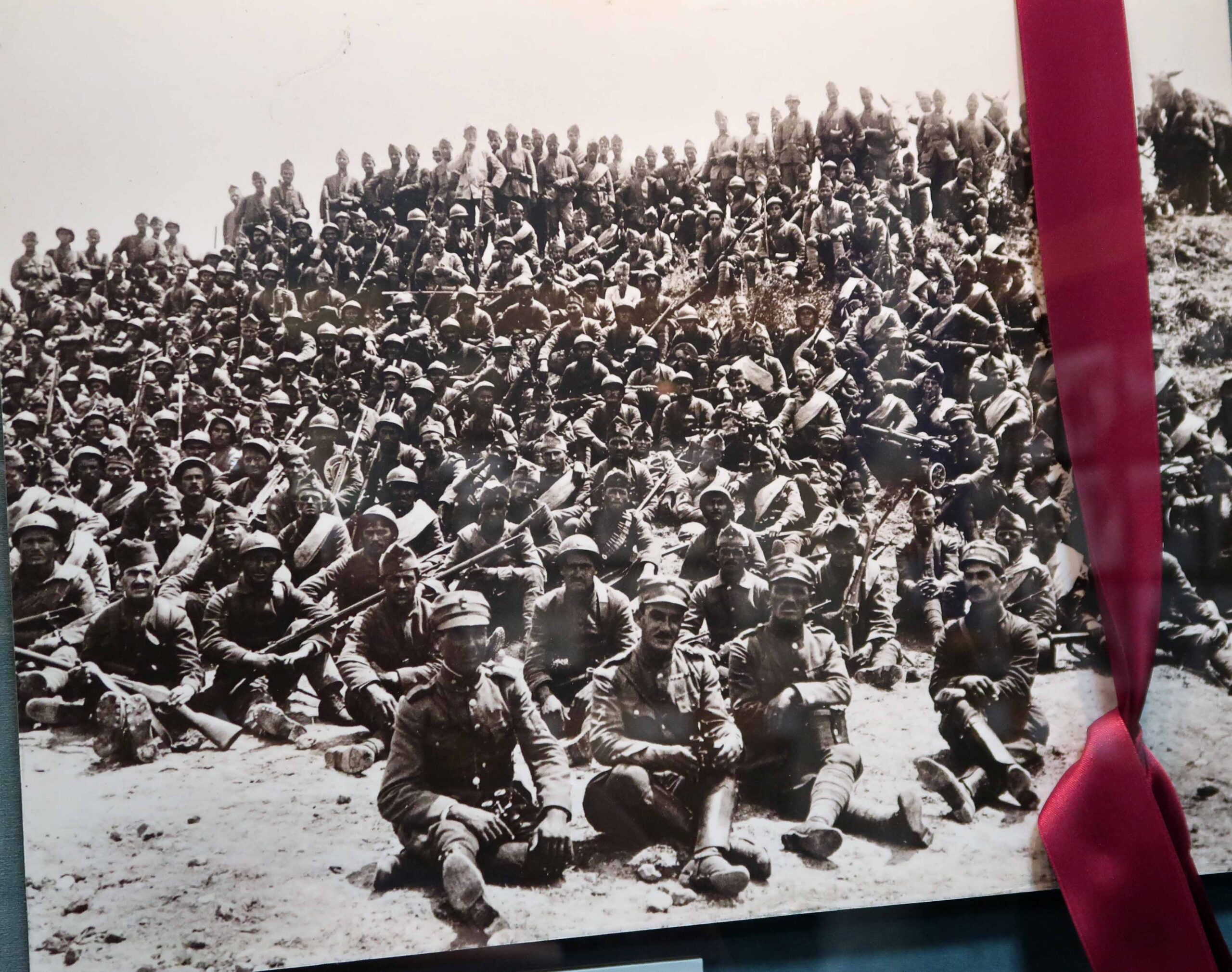
During my recent trips to Greece, I was reminded of Plastiras’ legacy at the Grand Meteora Monastery and the War Museum of Tripoli, where photos depict Greek soldiers assisting Greek and Turkish civilians alike during the Greco-Turkish War (1919-1922). One notable image captures the first Greek soldiers arriving in Proussa (Bursa), marking a pivotal moment in history.
Plastiras, who commanded the 5/42 Evzone Regiment, was a formidable leader. The Turks referred to him as “Kara Biber” (The Black Pepper), while his regiment was infamously called “Şeytanın Askerleri” (Satan’s Army).
Despite being outnumbered, his forces fought valiantly until the Greek Army was forced to retreat. Leading his regiment to Çeşme and then to Chios, Plastiras not only secured his troops but also saved thousands of refugees fleeing the atrocities of war.
Following Greece’s defeat in Asia Minor, Plastiras played a key role in overthrowing the monarchy during the September 11, 1922 Revolution. When his troops marched triumphantly into Athens, he delivered a somber message:
“Why do you cheer? We lost; we are destroyed.”
As a political leader, Plastiras faced enormous challenges, including the resettlement of 1.3 million Greek refugees after the Greco-Turkish population exchange, an effort that tested Greece’s fragile economy. Despite these hardships, even his greatest adversary, Mustafa Kemal Atatürk, admired him. During negotiations over the population exchange, Atatürk reportedly told Plastiras:
“I gave gold, and you gave me copper.”
Plastiras’ political career was tumultuous, marked by exile, opposition from both the British and Greek political factions, and his centrist stance during the post-Greek Civil War period. In September 1951, he formed a coalition government with Sofoklis Venizelos’ Liberal Party, striving to rebuild Greece’s economy and heal national divisions.
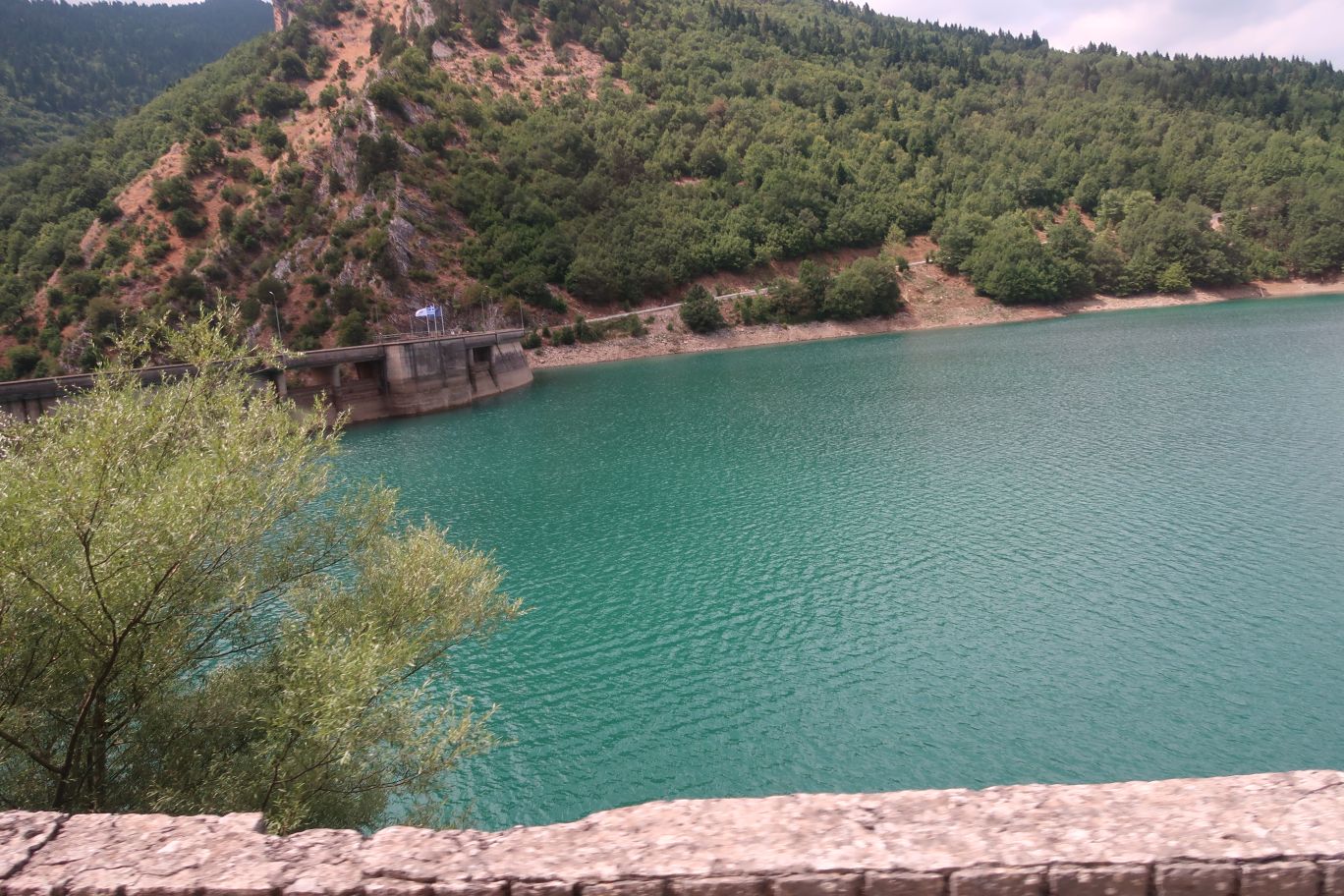
One of his lasting contributions was the construction of the Tavropos (Megdovas) River Dam, which formed Lake Plastiras, a project that still benefits Greece today.
After losing the 1952 elections, Plastiras’ political influence faded, and he died in poverty in 1953. However, his legacy lives on, commemorated by the Nikolaos Plastiras Square and statue in Karditsa, Thessaly.
General Nikolaos Plastiras is remembered in Greece as “Axios!” (Worthy!), a title befitting a man whose life was dedicated to freedom, service, and the betterment of his country.
On March 25, 2025, as we celebrate Greek Independence Day, we honor Plastiras—a true patriot who fought for Greece and its people, embodying the spirit of resilience, courage, and national pride.
Sources & Photo Credits:
- Victor Davis Hanson, The End of Everything: How Wars Descend Into Annihilation, Hachette Book Group, Inc., New York, 2024.
- Hellenic News of America: Viewpoint: Descendants of Asia Minor Catastrophe Look Back
- Wikipedia: Nikolaos Plastiras
- Greece.com: Nikolaos Plastiras Square, Karditsa
- Grand Meteora Monastery Exhibits, Meteora & War Museum of Tripoli

 Please wait...